1927nm Fractional Thulium Technology
1927nm Thulium Fractional Laser Technology
How 1927nm Fractional Thulium Lasers Work
A focused overview of 1927 nm fractional delivery, tissue interaction, platform positioning and professional system options.

Professional Platform
1927nm thulium laser product
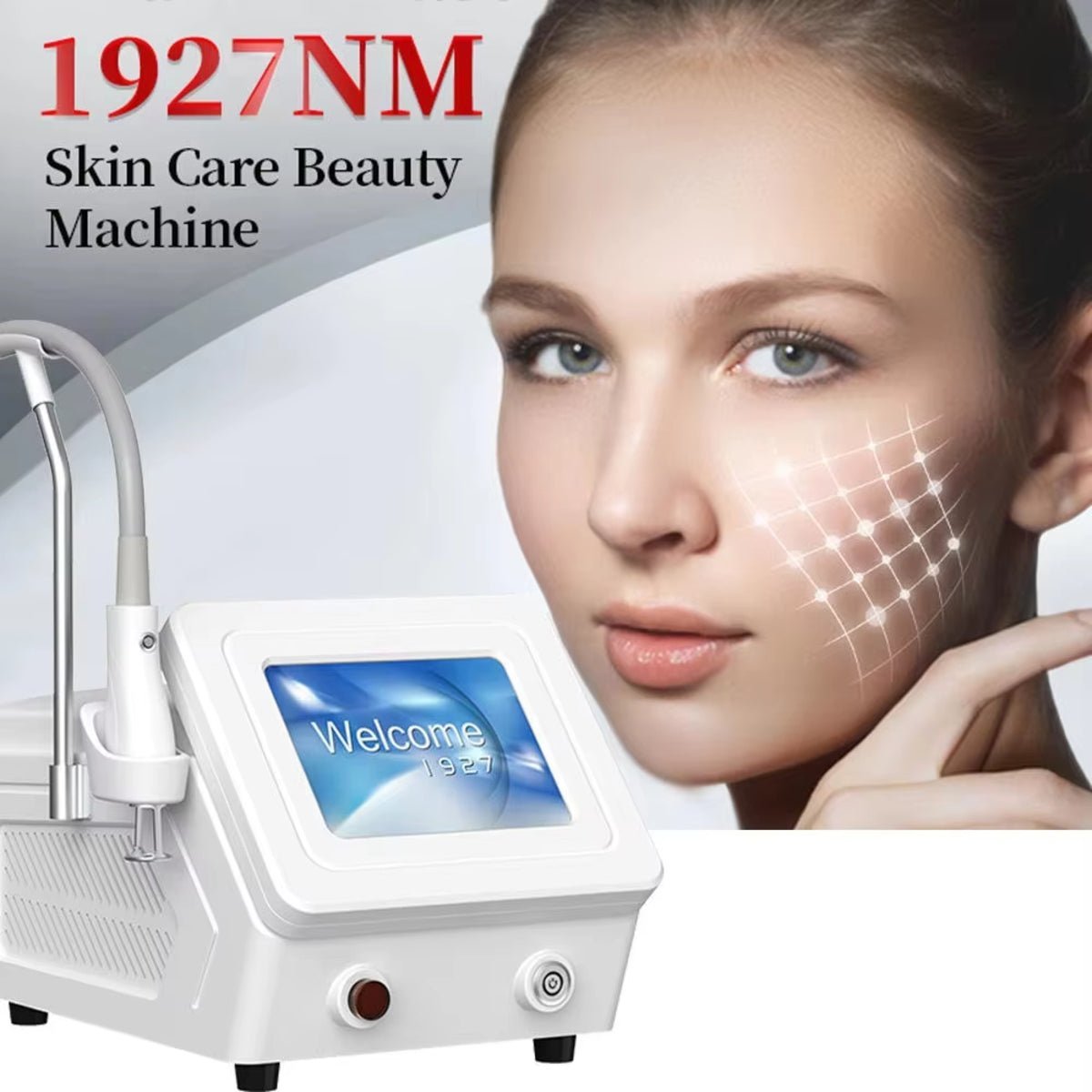
1927nm Thulium Laser System
Replace with your actual product model
A professional 1927nm fractional platform. Replace this description with verified wavelength, delivery mode, parameter range, handpiece, intended use and market-specific documentation for the actual model.
Technology Overview
What is 1927nm fractional thulium technology?
1927nm fractional thulium technology delivers energy in a patterned array of microscopic treatment zones separated by intervening tissue that is not directly treated. The wavelength is strongly absorbed by water, while treatment depth and tissue effect depend on device architecture, energy, density and delivery mode.
The platform is generally positioned for more superficial fractional treatment profiles than 10,600 nm CO₂ and may support selected pigmentation, photoaging and texture protocols, subject to device configuration, intended use and professional assessment.
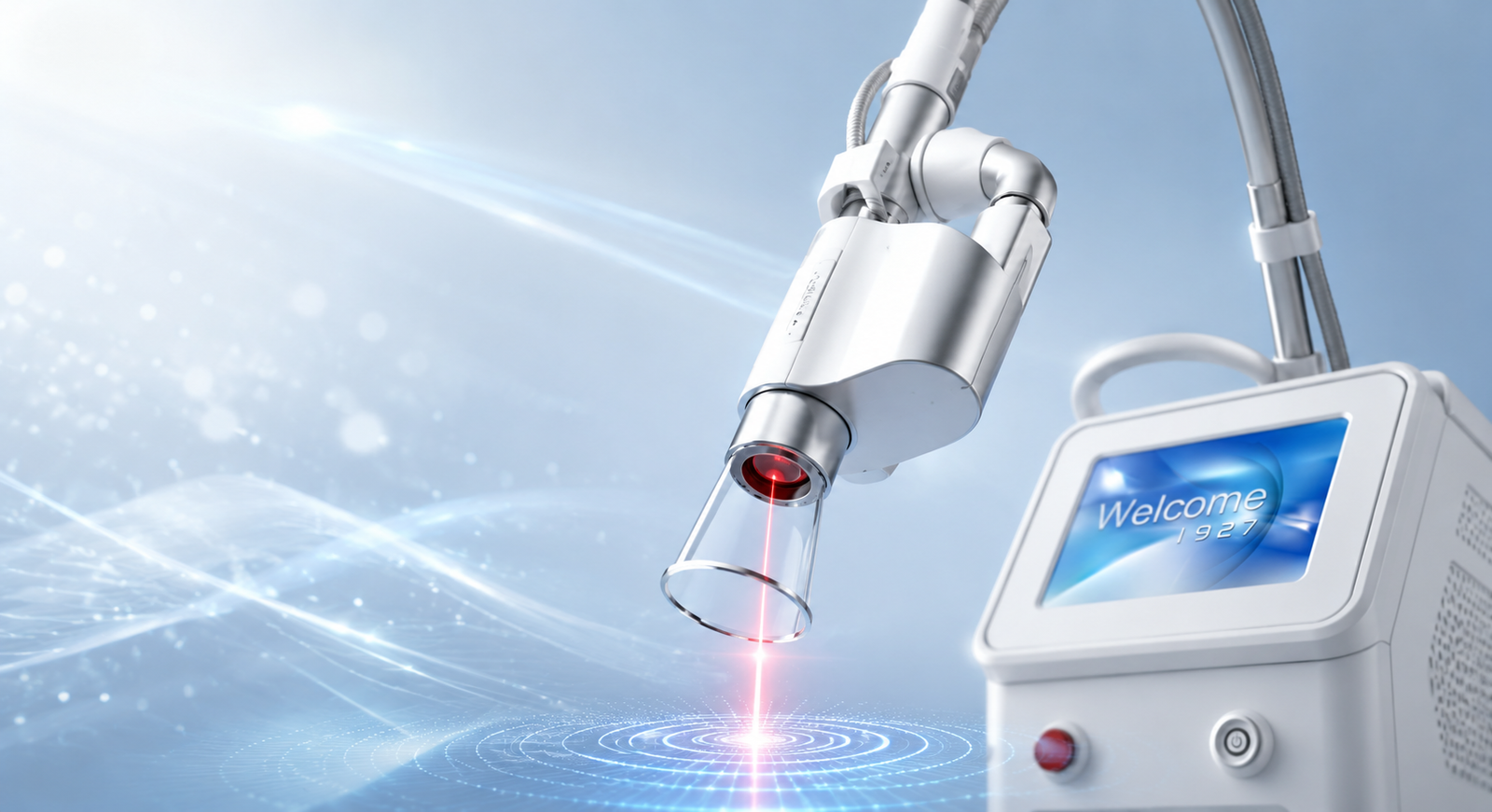
How It Works
Superficial fractional delivery
A 1927nm fractional delivery system applies energy as an array of microscopic treatment zones. Depending on the device and parameters, tissue interaction can range across different superficial fractional effects; the exact profile should be confirmed for the selected model.
- 1927 nm wavelength: water-absorbing wavelength used for superficial fractional profiles
- Fractional pattern: microscopic treatment zones separated by intervening tissue
- Parameter control: model-dependent energy, density and coverage controls
- Treatment positioning: exact depth and tissue effect remain device- and parameter-dependent
Key technology characteristics
01
Superficial Profile
Generally positioned for superficial fractional protocols; exact tissue effect and supported applications depend on the device and settings.
02
Parameter Control
Available energy, density, scanning area and delivery controls should be confirmed for the selected configuration.
03
Fractional Coverage
Microscopic treatment zones are separated by intervening tissue that is not directly treated during the same pass.
1927nm thulium vs fractional CO₂
A high-level comparison; actual treatment depth and tissue interaction depend on device architecture and selected parameters.
| Feature | 1927nm Thulium | Fractional CO₂ |
|---|---|---|
| Wavelength | 1927 nm | 10,600 nm |
| Typical Positioning | Generally more superficial; device- and parameter-dependent | Generally deeper ablative fractional profile; parameter-dependent |
| Application Focus | Selected pigmentation, photoaging and superficial texture protocols | Selected resurfacing, scars, wrinkles and texture protocols |
| Tissue Interaction | Configuration-dependent superficial fractional effect | Ablative fractional effect with thermal coagulation |
| Buyer Verification | Confirm wavelength, delivery mode, controls and intended use | Confirm scanner, pulse modes, controls and intended use |
Superficial-treatment applications
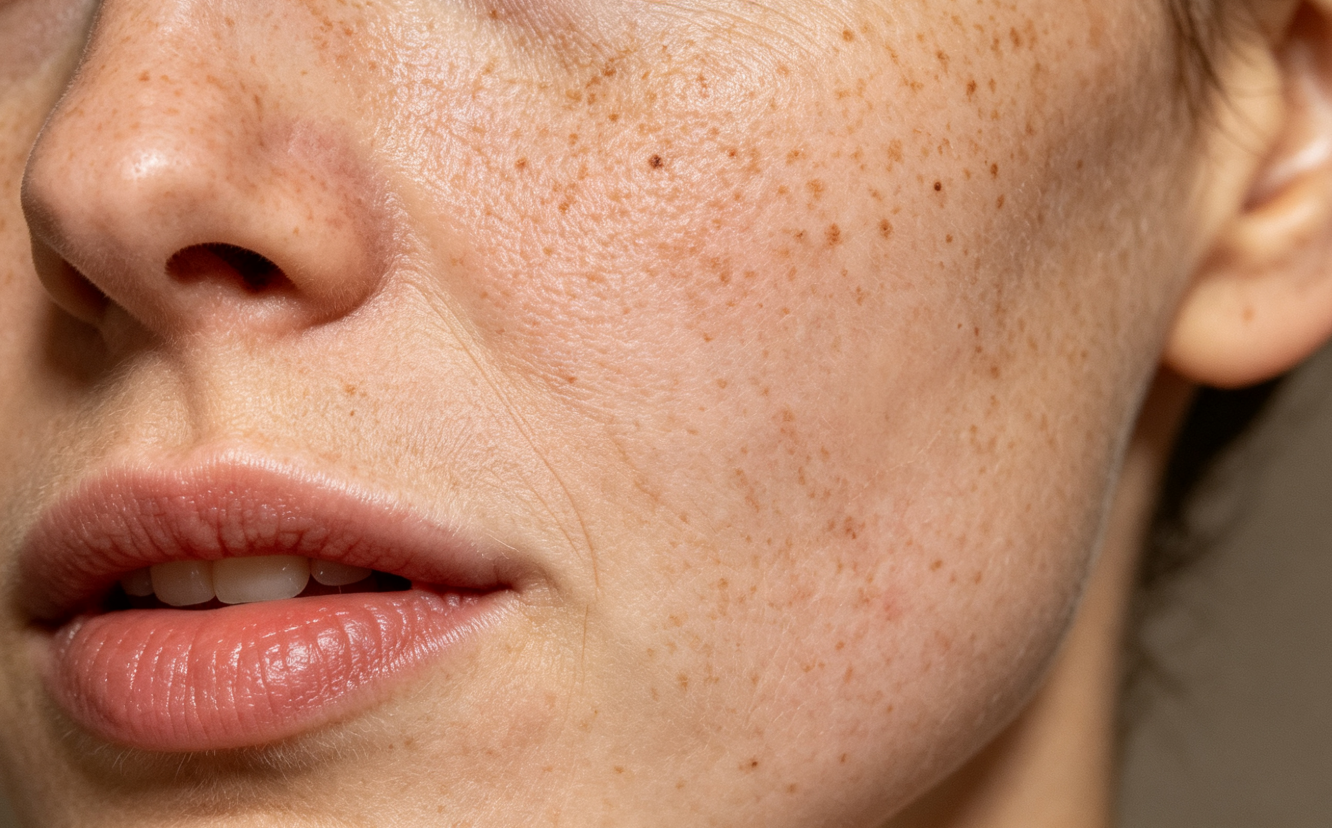
Pigmentation Concerns
Selected dyschromia and pigmentation-focused protocols.
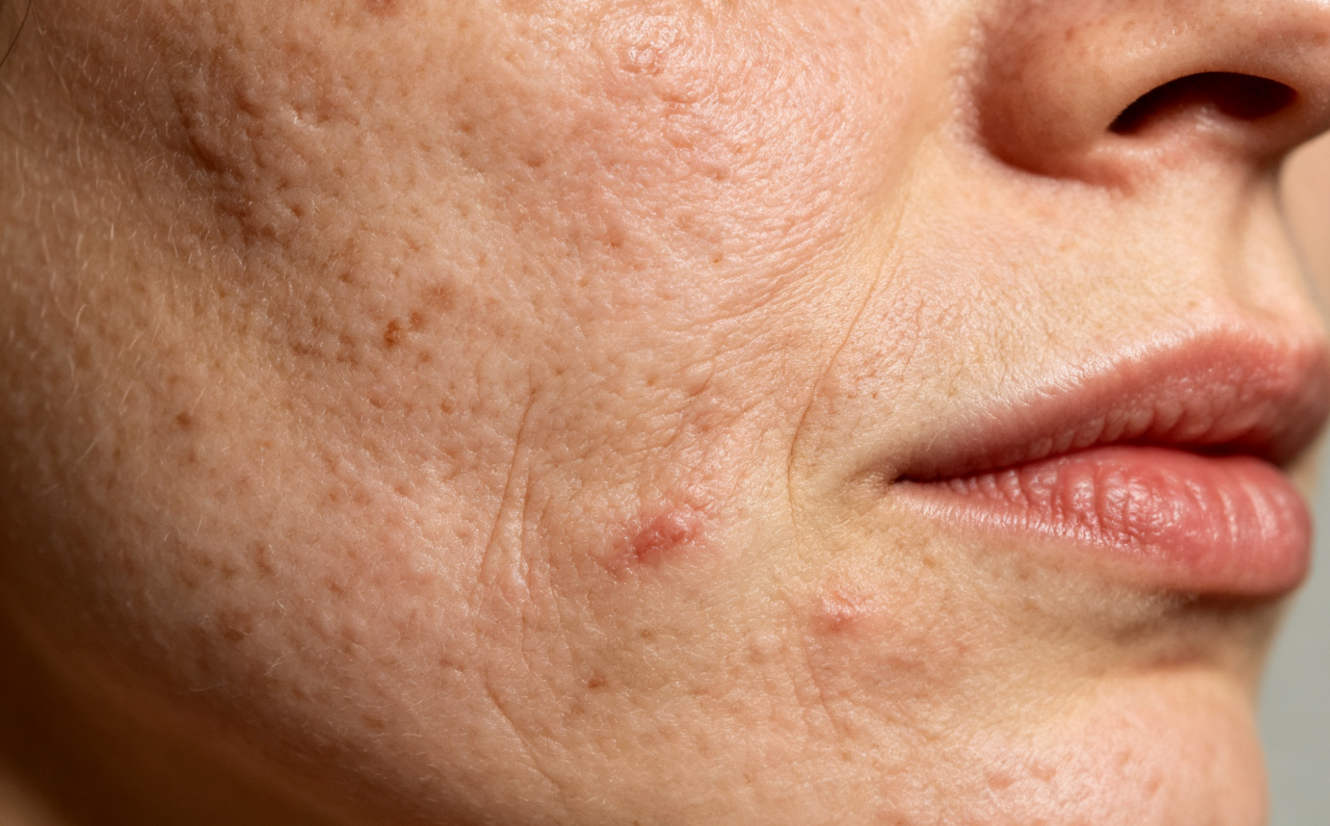
Skin Texture
Selected superficial texture concerns.

Skin Rejuvenation
Selected skin-renewal and tone-focused protocols.
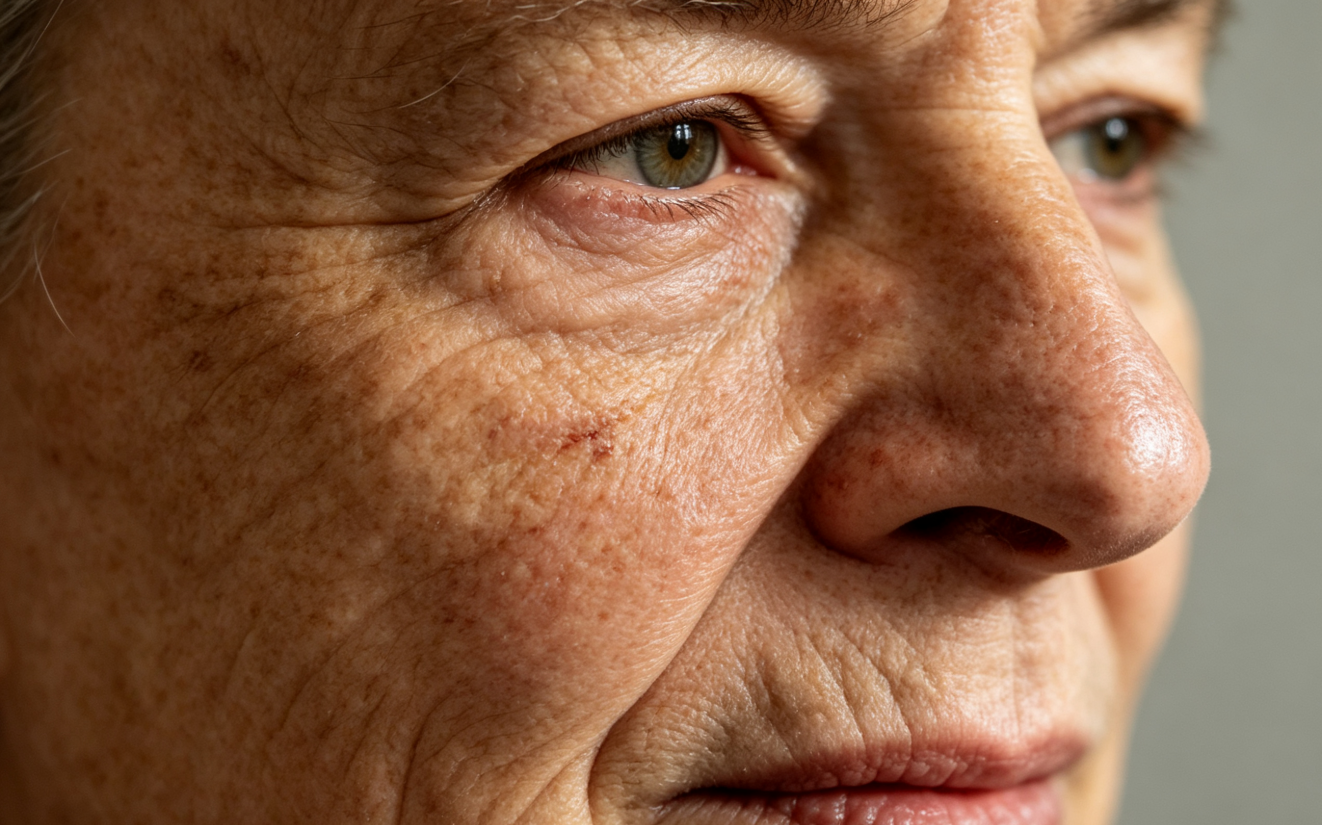
Photoaging
Selected photoaging-related concerns.
Discuss your 1927nm project
Compare product configuration, intended use, documentation, training and service options with our technical sales team.