PROFESSIONAL FRACTIONAL LASER TECHNOLOGY
Fractional Laser
Wrinkle Reduction
Professional fractional laser solutions for resurfacing-focused workflows.
Explore fractional CO₂ and 1927nm thulium platforms for fine lines, visible wrinkles, uneven texture and photoaging-related concerns.
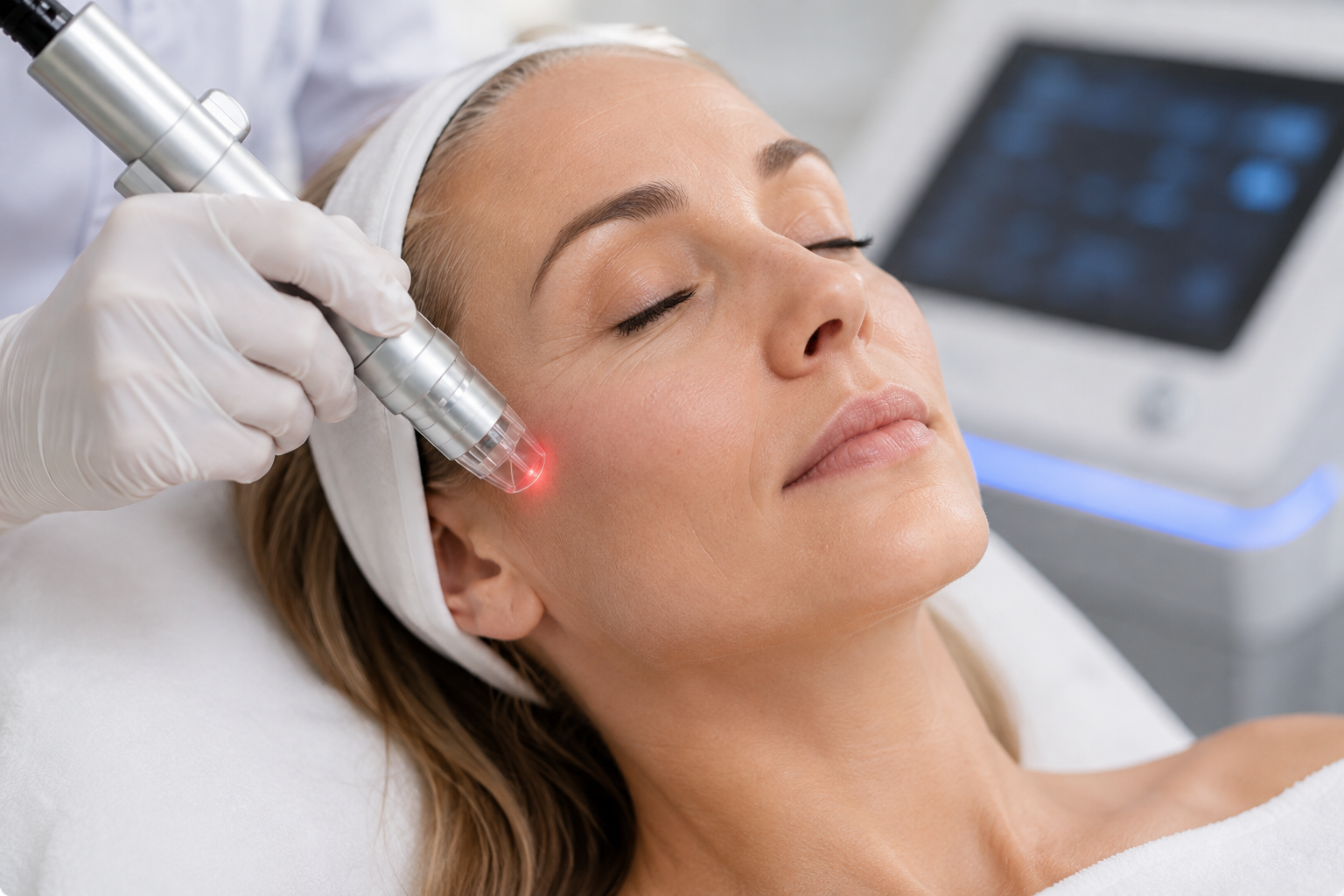
RECOMMENDED FRACTIONAL LASER SYSTEMS
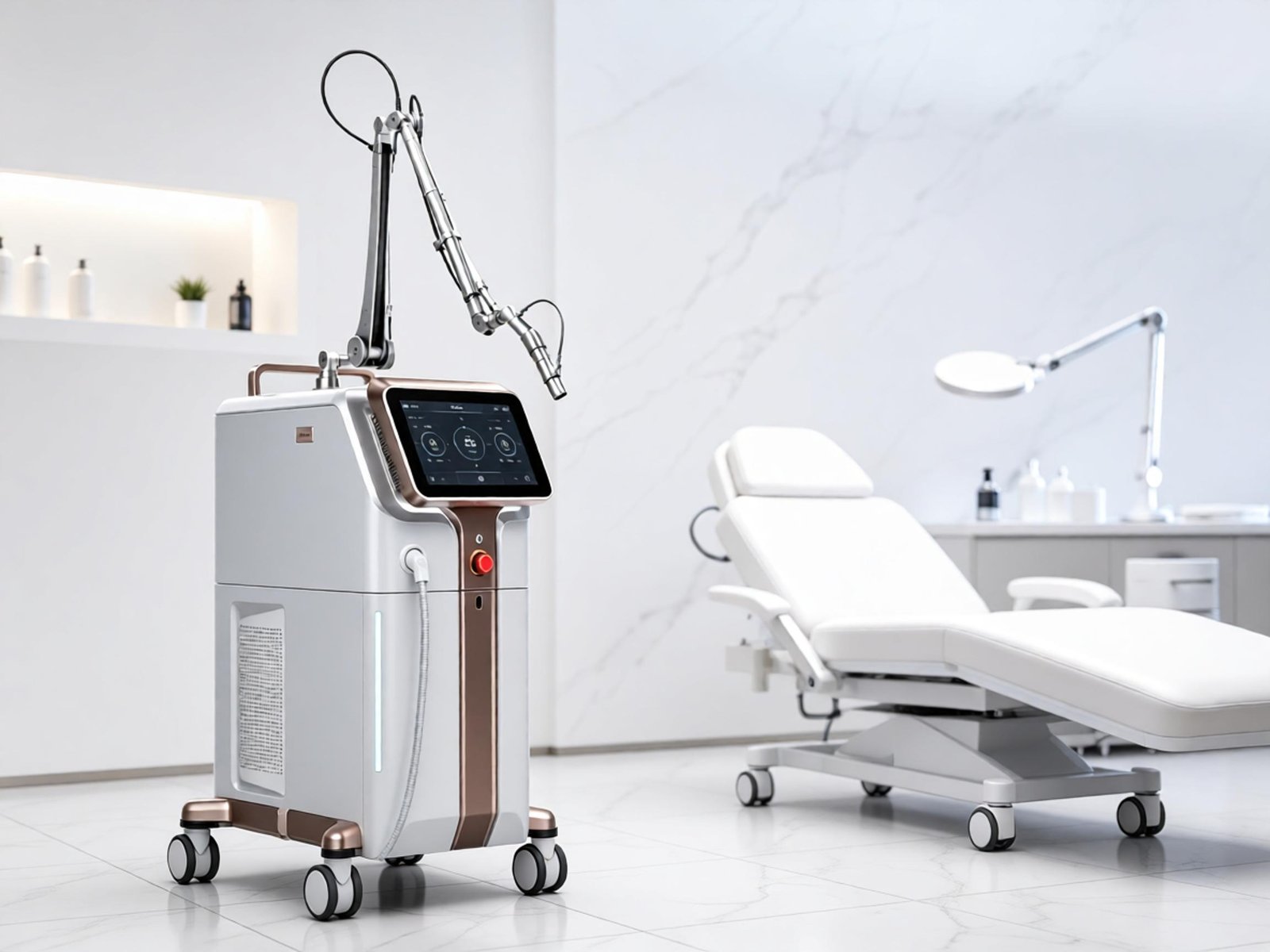
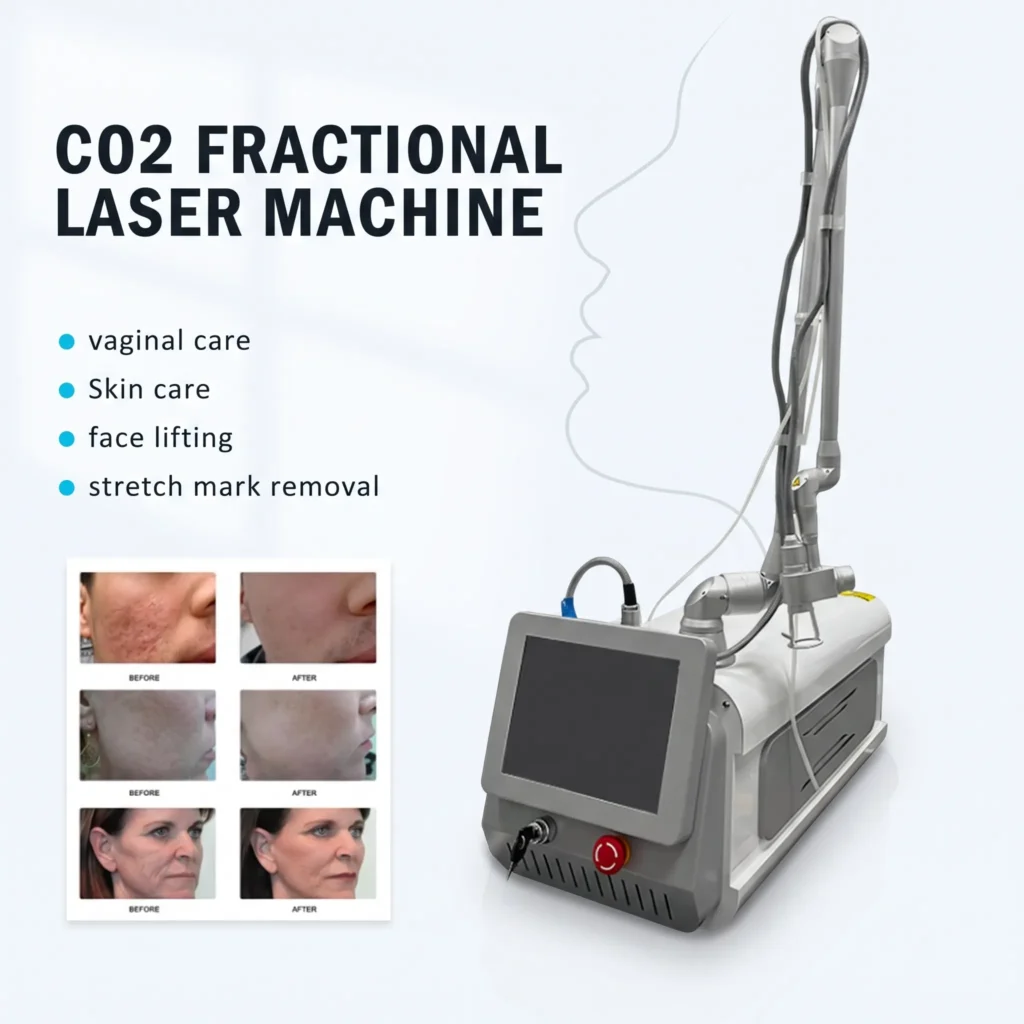
Professional Fractional Laser System
Fractional resurfacing and skin rejuvenation
Available in different fractional configurations, including 10,600 nm CO₂ and 1927nm thulium, depending on the model, intended application and system design.
- CO₂ and thulium platform options
- Adjustable treatment parameters
- Configurable scanning patterns
- OEM/ODM options by project
- Product and technical training
APPLICATION OVERVIEW
What is fractional laser wrinkle reduction?
Fractional laser wrinkle reduction delivers controlled laser energy in microscopic treatment zones. This approach supports resurfacing and tissue-remodeling workflows for the visible appearance of fine lines, wrinkles, uneven texture and photoaged skin.
Fractional describes the delivery pattern rather than a single wavelength. Professional systems may use 10,600 nm CO₂ or 1927nm thulium technology depending on the intended application and model configuration.
KEY BENEFITS
Configurable technology for resurfacing goals
01
Tissue Remodeling
Supports controlled remodeling workflows for fine lines, wrinkles and uneven texture.
02
Treatment Versatility
Supports selected facial areas and broader rejuvenation-focused protocols.
03
Adjustable Parameters
Energy, density and scanning patterns vary by system and treatment objective.
TECHNOLOGY OPTIONS
Fractional laser technology options
10,600 NM
Fractional CO₂ Laser
Ablative fractional technology commonly considered for deeper resurfacing-focused applications, including visible wrinkles and texture concerns.
1927 NM
Fractional Thulium Laser
A more superficial fractional wavelength option for selected pigmentation, texture and photoaging-focused applications.
TREATMENT AREAS
Common wrinkle-focused areas
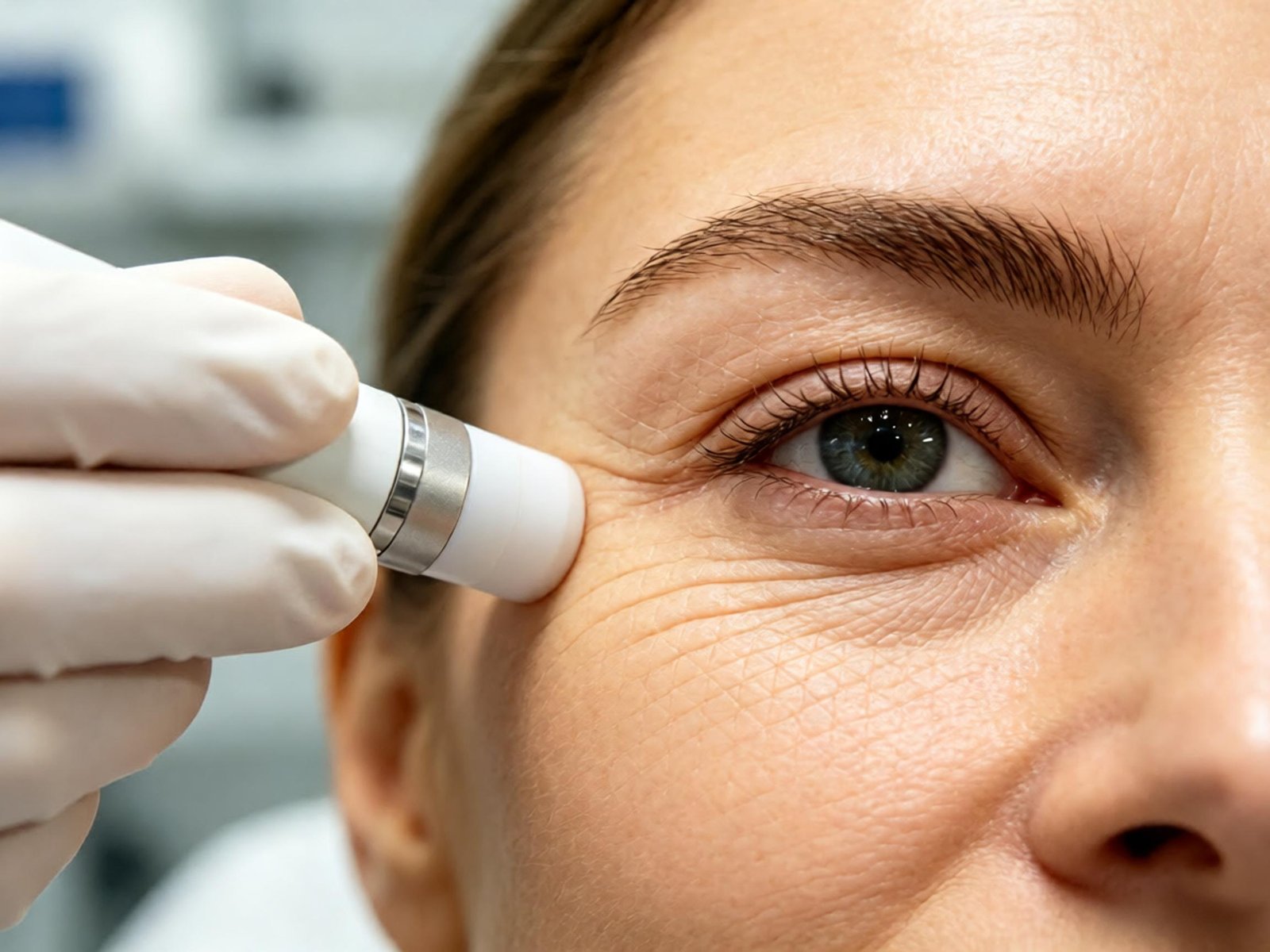
Periorbital Lines
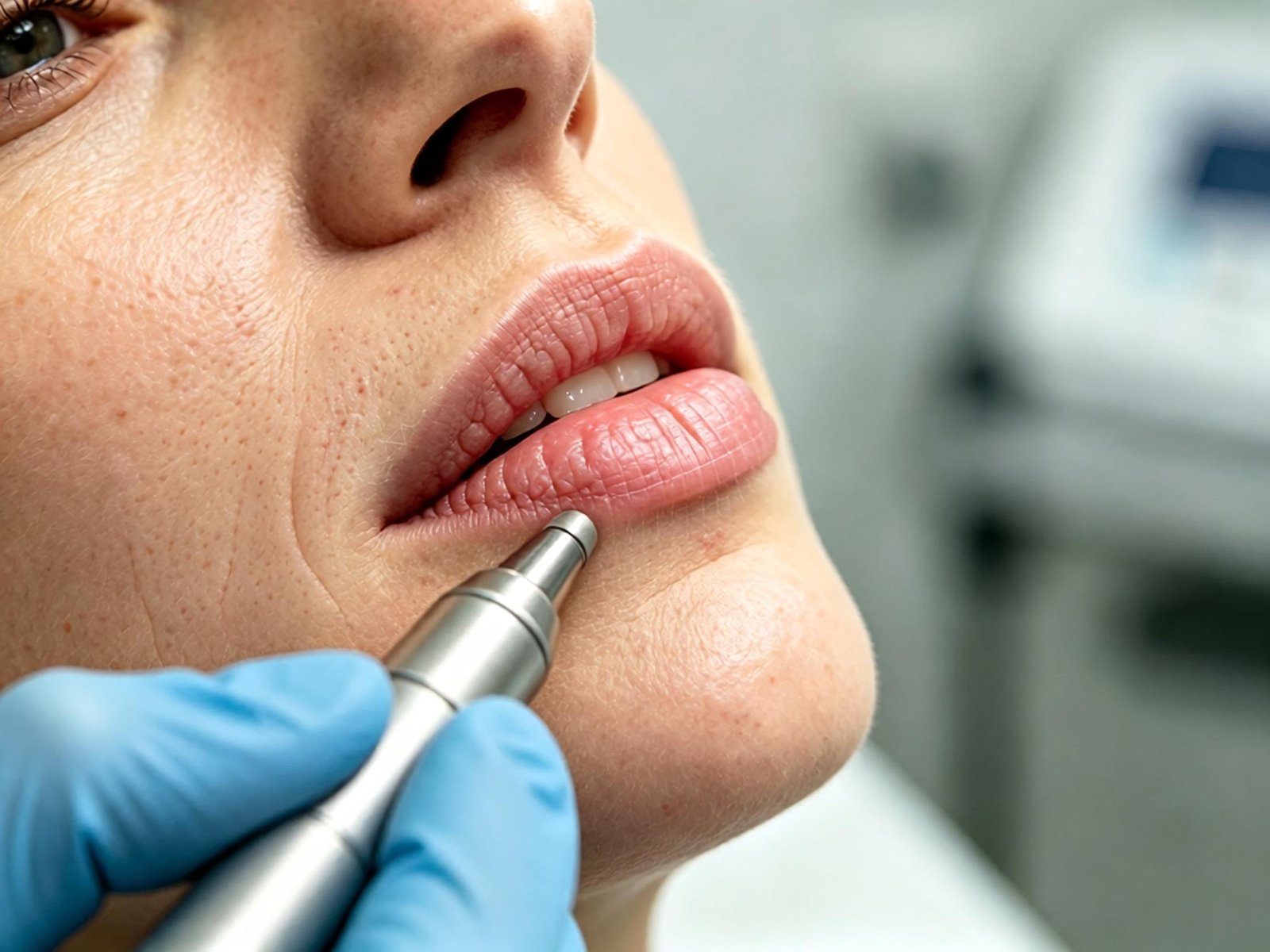
Perioral Lines
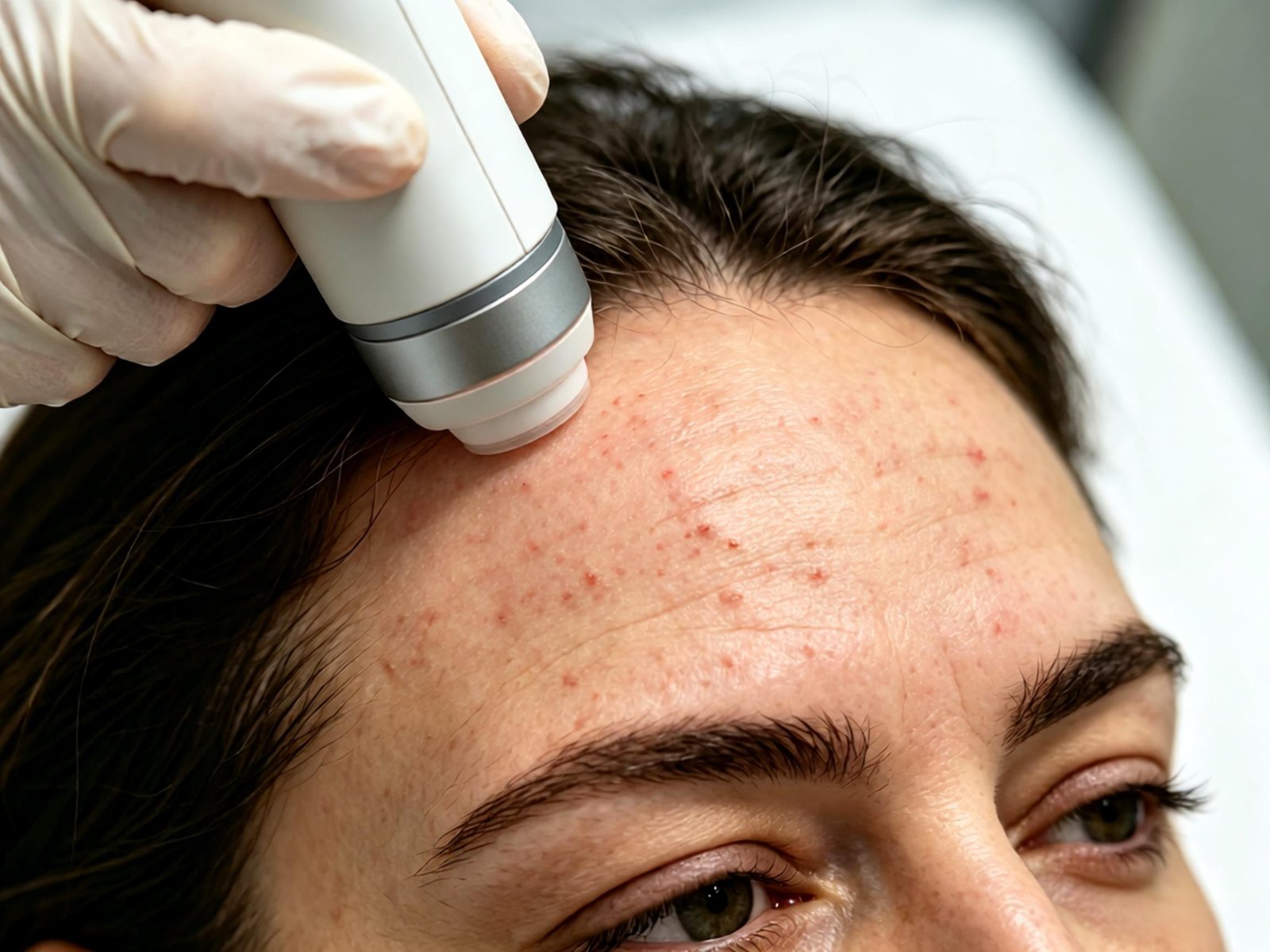
Forehead Wrinkles
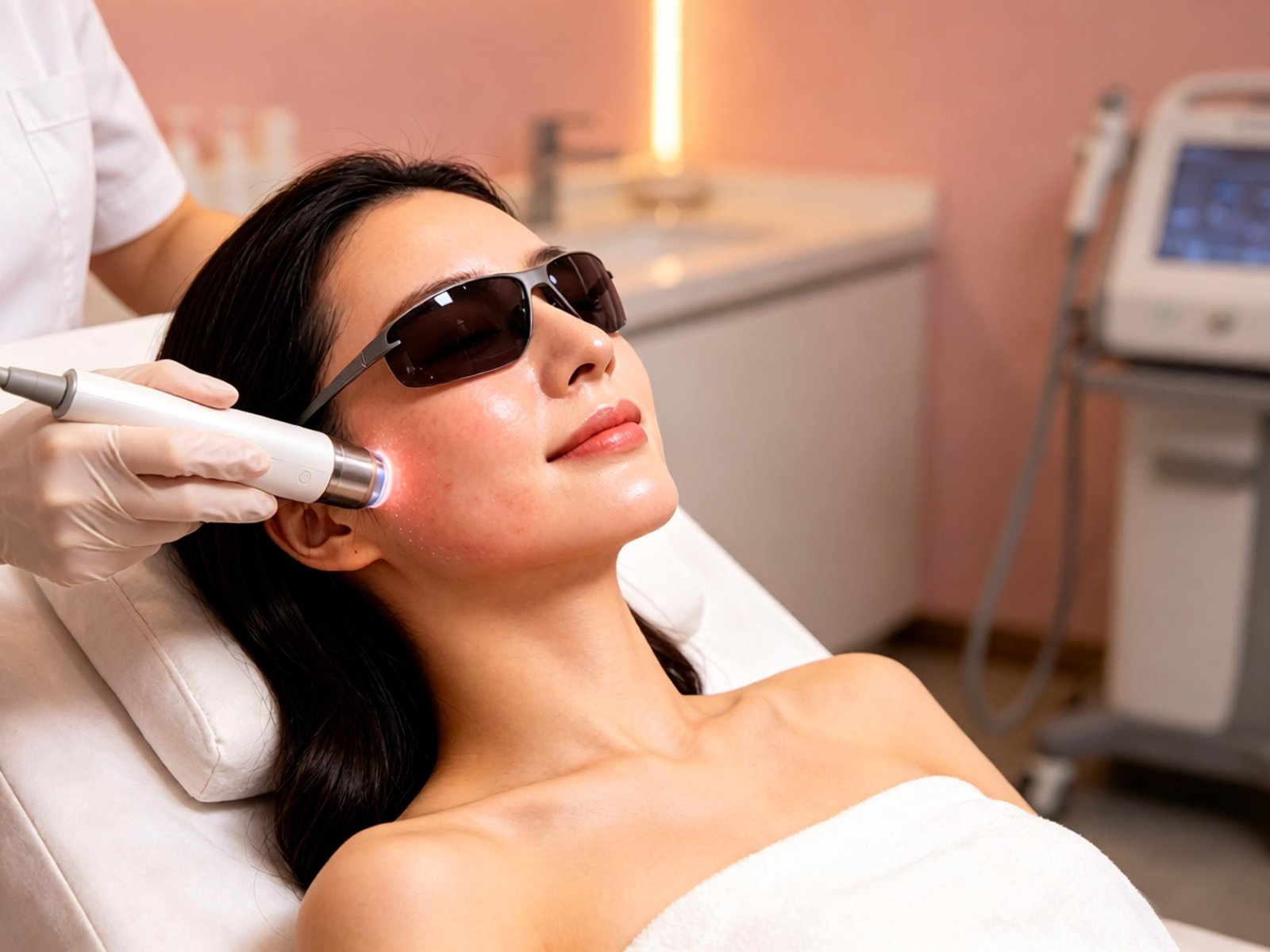
Full Face Rejuvenation
TREATMENT COMPARISON
Fractional laser and other wrinkle treatments
Treatment selection depends on skin condition, treatment objective, acceptable recovery profile and professional assessment.
| Feature | Fractional Laser | Microneedling | Chemical Peels | Fillers |
|---|---|---|---|---|
| Primary mechanism | Fractional thermal treatment zones | Controlled mechanical injury | Chemical exfoliation | Volume replacement |
| Clinical focus | Texture, lines and resurfacing | Selected texture concerns | Surface-focused renewal | Selected volume-related concerns |
| Treatment depth | Depends on wavelength and settings | Depends on needle depth | Depends on peel depth | Technique-dependent placement |
| Recovery | Varies by density and intensity | Typically limited | Varies by peel depth | Usually limited |
| Treatment plan | Protocol-dependent | Multiple sessions often used | Multiple sessions may be used | Maintenance may be required |
FREQUENTLY ASKED QUESTIONS
Wrinkle reduction FAQ
Is CO₂ laser the same as fractional laser?
No. Fractional describes the delivery pattern, while CO₂ refers to the laser medium and 10,600 nm wavelength. A fractional CO₂ system combines both concepts.
What is the difference between fractional CO₂ and 1927nm thulium?
They use different wavelengths and have different tissue interactions. CO₂ is generally considered for deeper ablative resurfacing, while 1927nm thulium supports more superficial treatment profiles.
Which fractional laser is suitable for wrinkle reduction?
Selection depends on treatment objectives, skin condition, desired treatment profile, device indications and professional assessment.
How many sessions are typically required?
There is no universal number. Treatment planning depends on wrinkle depth, skin condition, selected parameters, clinical protocol and individual response.
What parameters can be adjusted?
Depending on the model, controls may include energy, treatment density, scanning area, scanning pattern and pulse settings.
Is product and technical training available?
Available training may cover system operation, parameter setup, maintenance and general workflow for qualified professional users.
What documentation is available?
Documentation depends on the model and market and may include specifications, technical documents, test reports and applicable certification materials.
Can the system be customized for OEM/ODM projects?
Available options may include housing, interface, handpiece configuration, branding and private labeling, depending on the project and device platform.
Related fractional laser products
Recommended Products
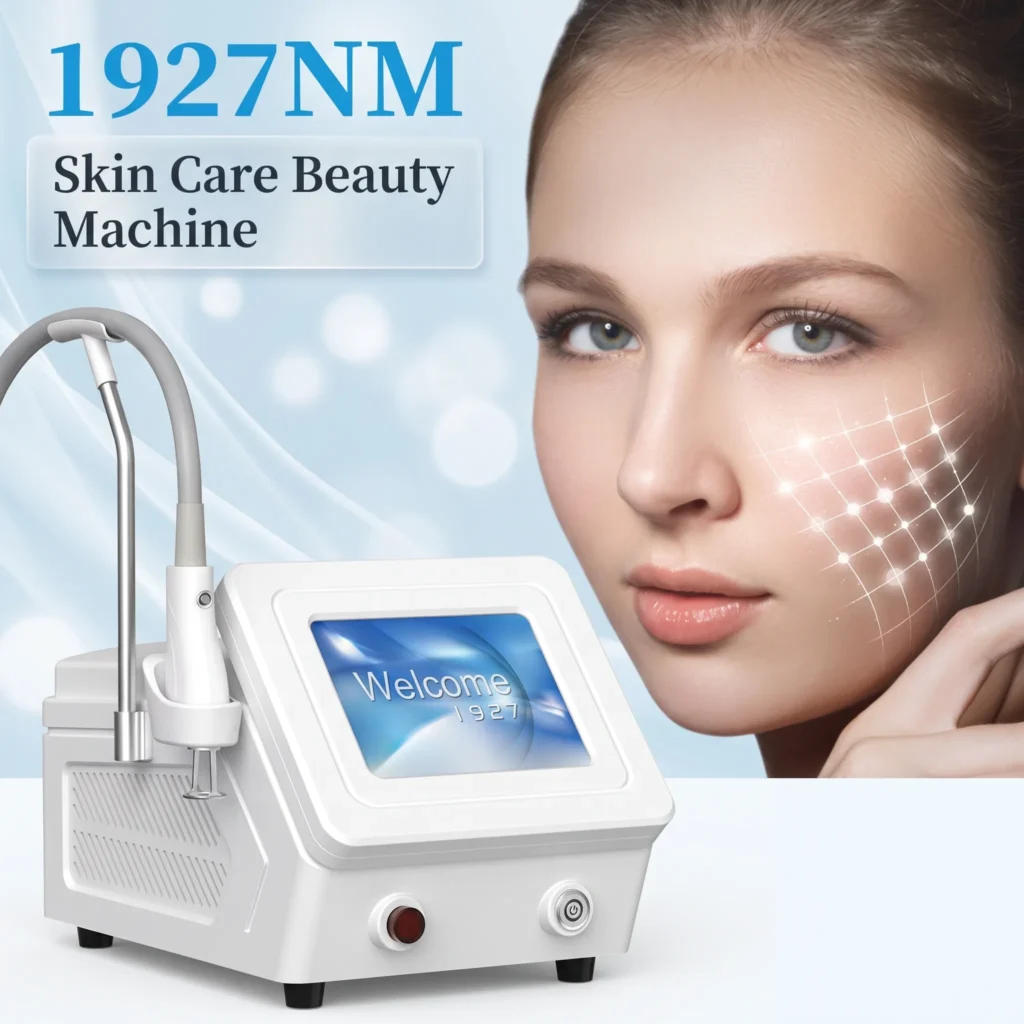
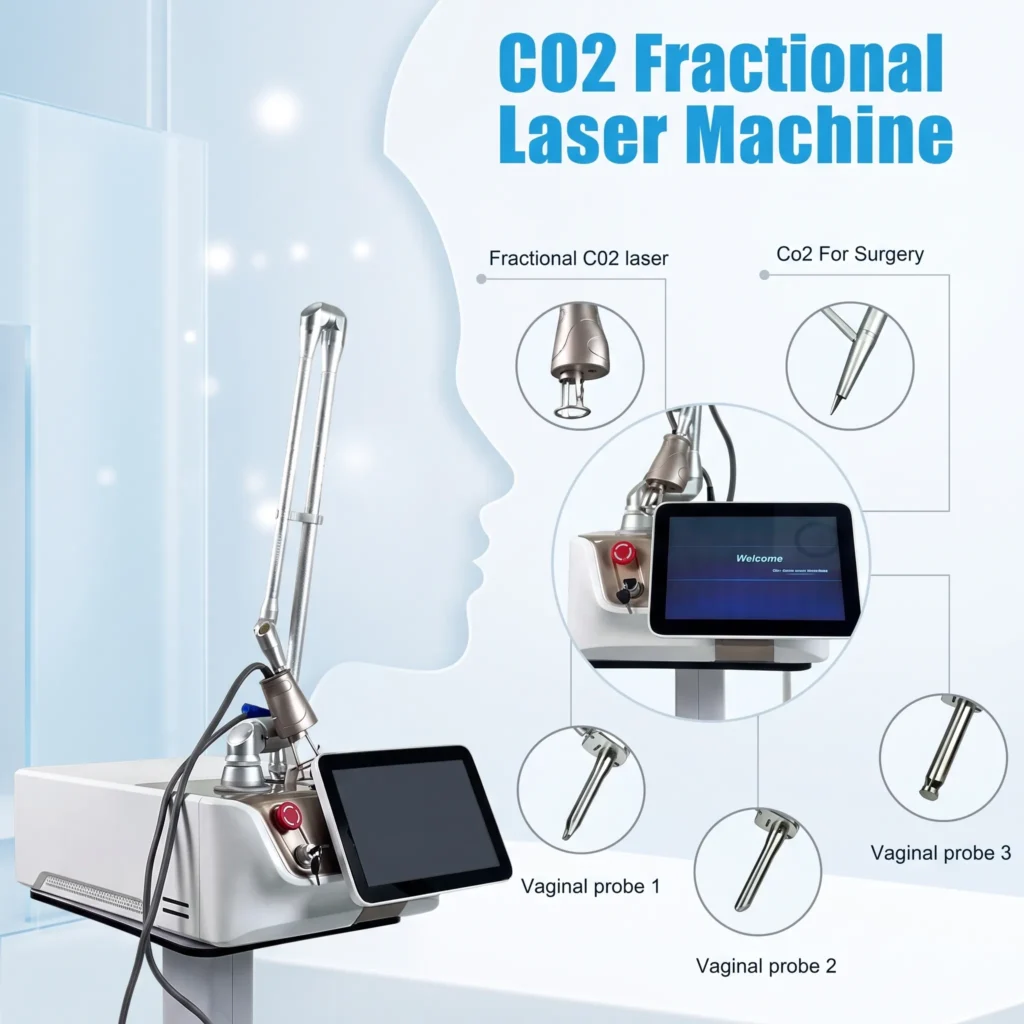
Explore a fractional laser platform for your clinic
Tell us about your target applications, preferred treatment profile and market requirements.