FRACTIONAL LASER APPLICATIONS
Fractional Laser
Skin Resurfacing
Explore how fractional CO₂ and 1927nm thulium platforms support professional resurfacing-focused workflows for texture, tone and visible signs of photoaging.
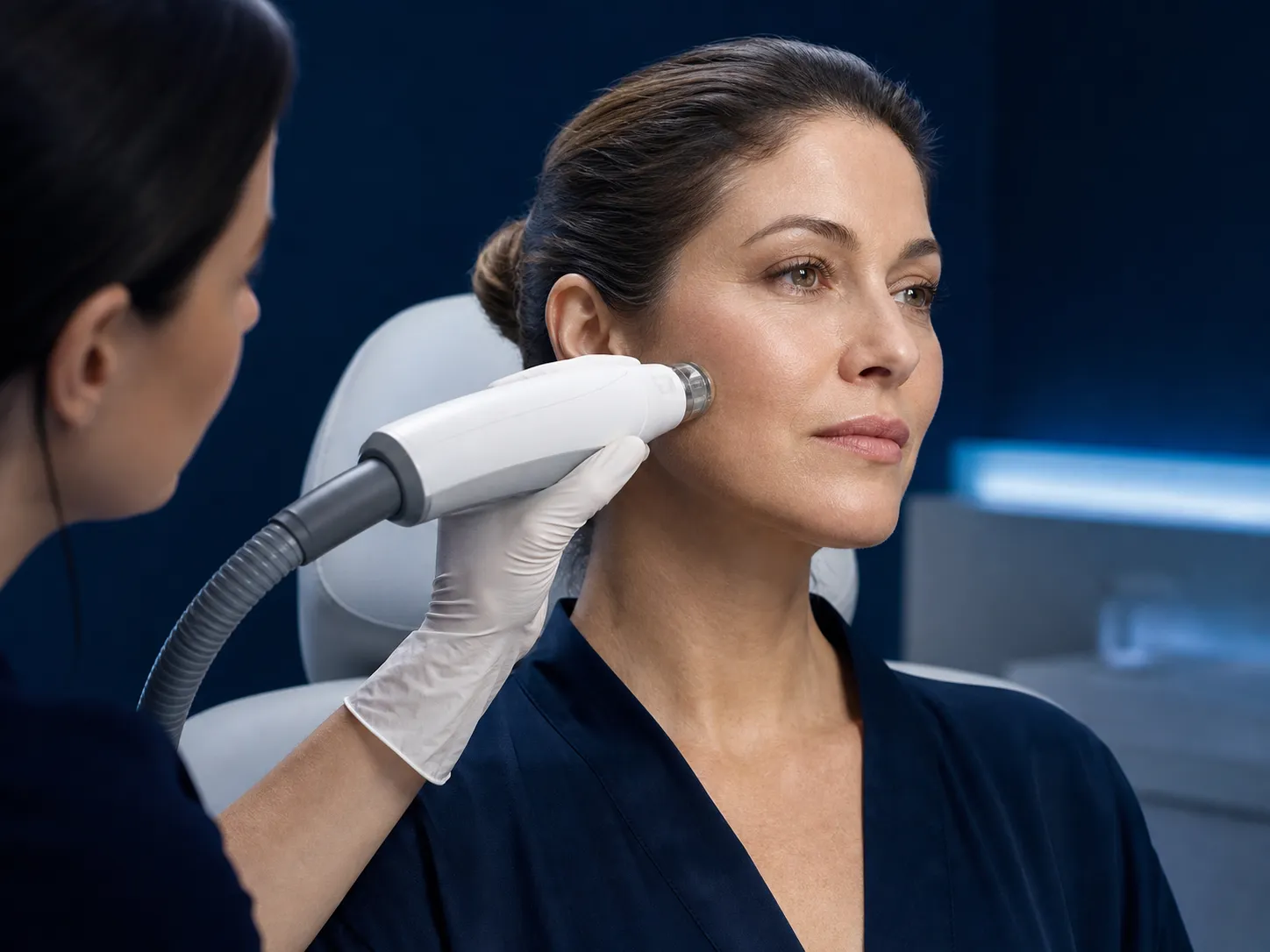
APPLICATION OVERVIEW
What is fractional skin resurfacing?
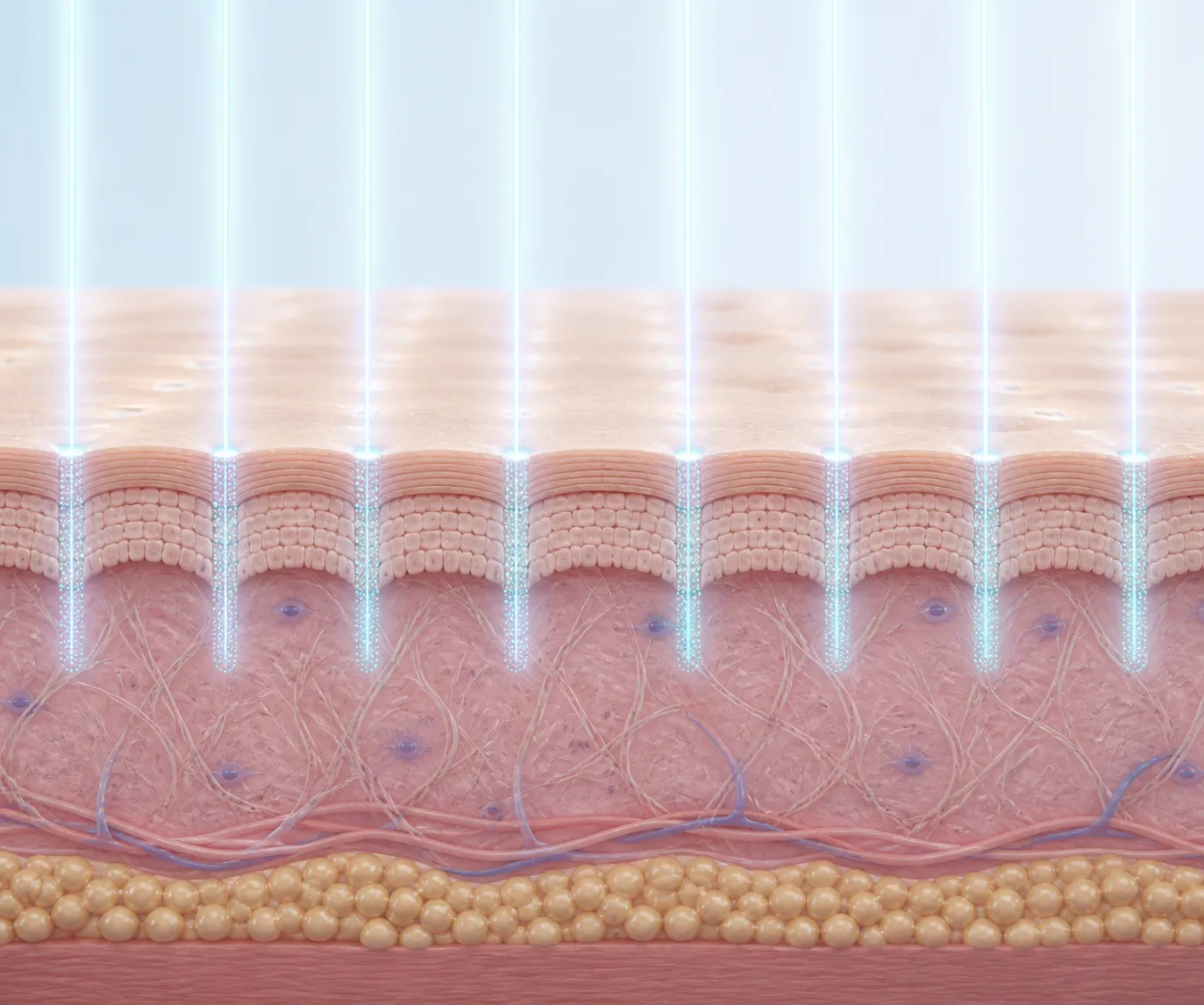
Fractional skin resurfacing delivers laser energy in a pattern of microscopic treatment zones while leaving surrounding tissue untreated. The approach is designed to support controlled resurfacing and the skin’s natural repair response.
The treatment profile depends on the wavelength, delivery mode, energy, density and system configuration. Fractional CO₂ and 1927nm thulium systems therefore serve different resurfacing priorities rather than acting as interchangeable platforms.
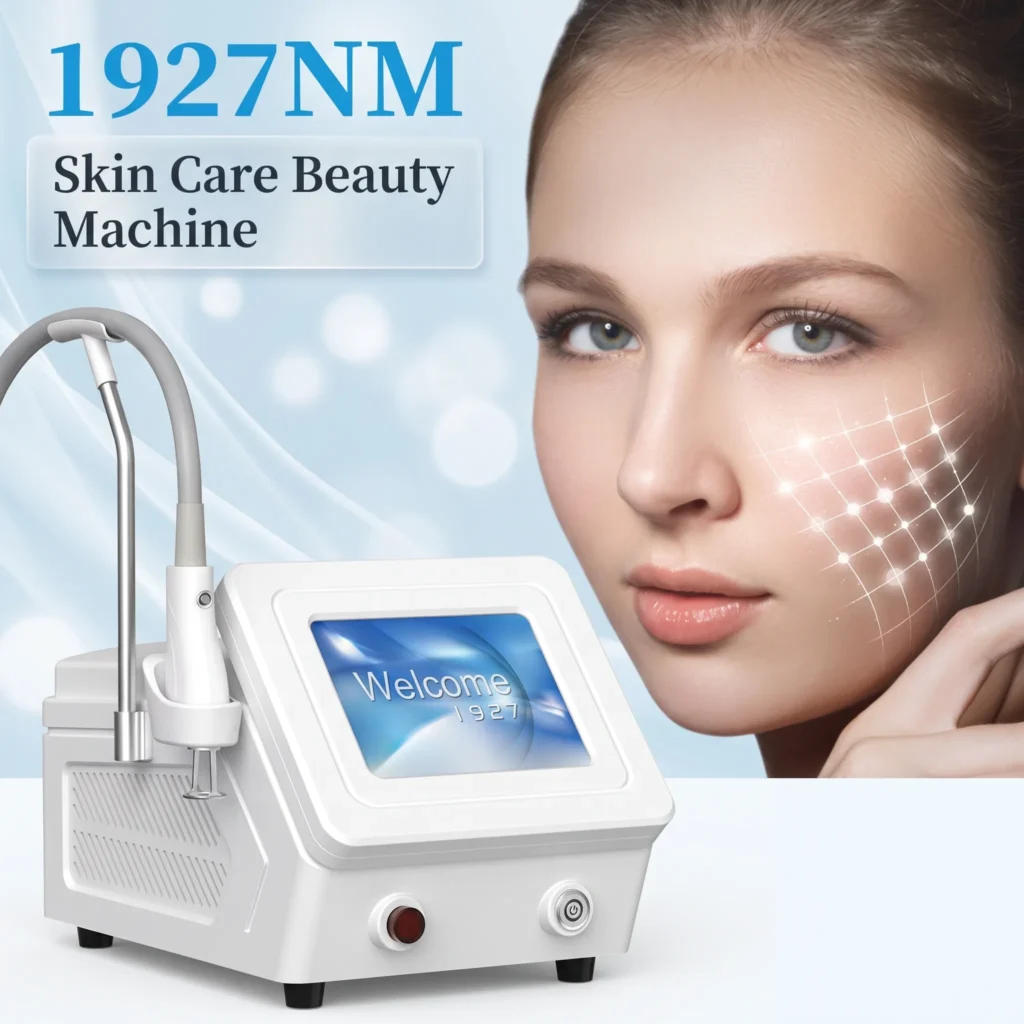
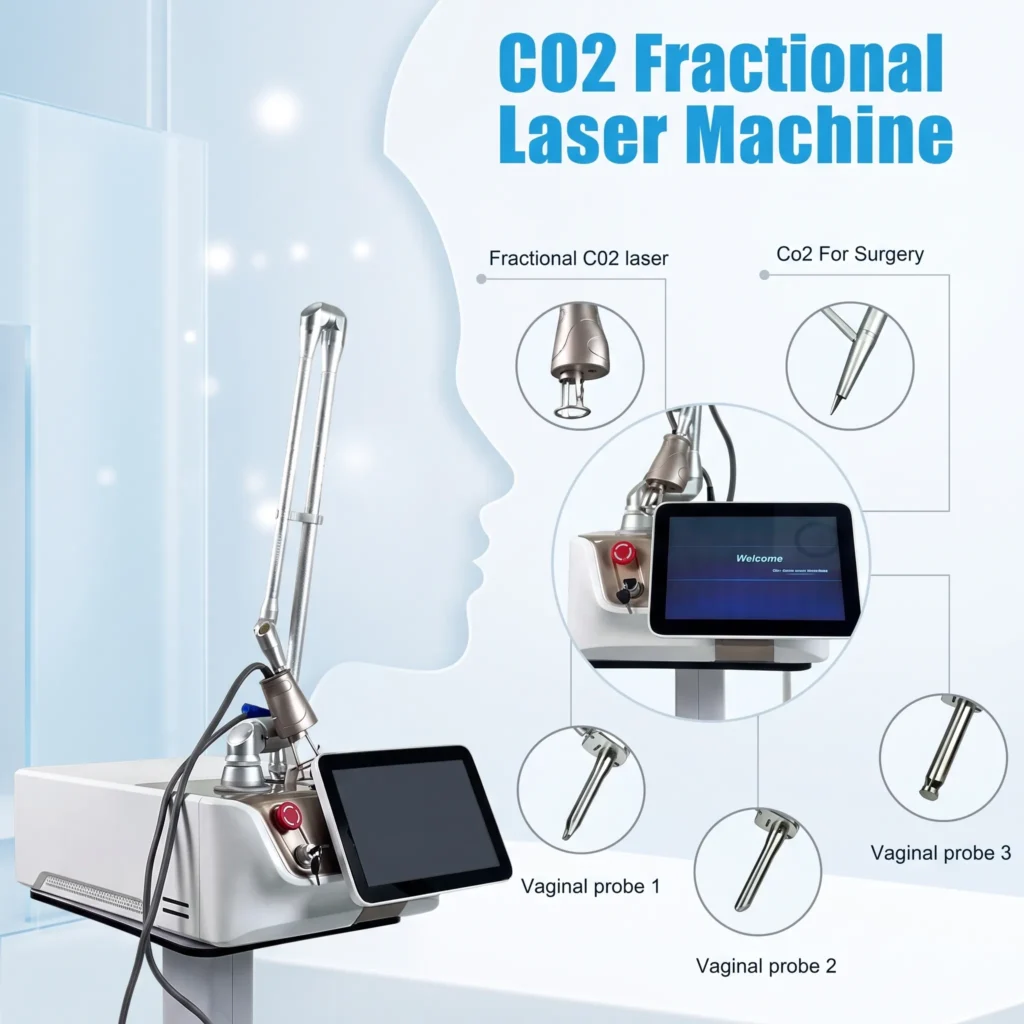
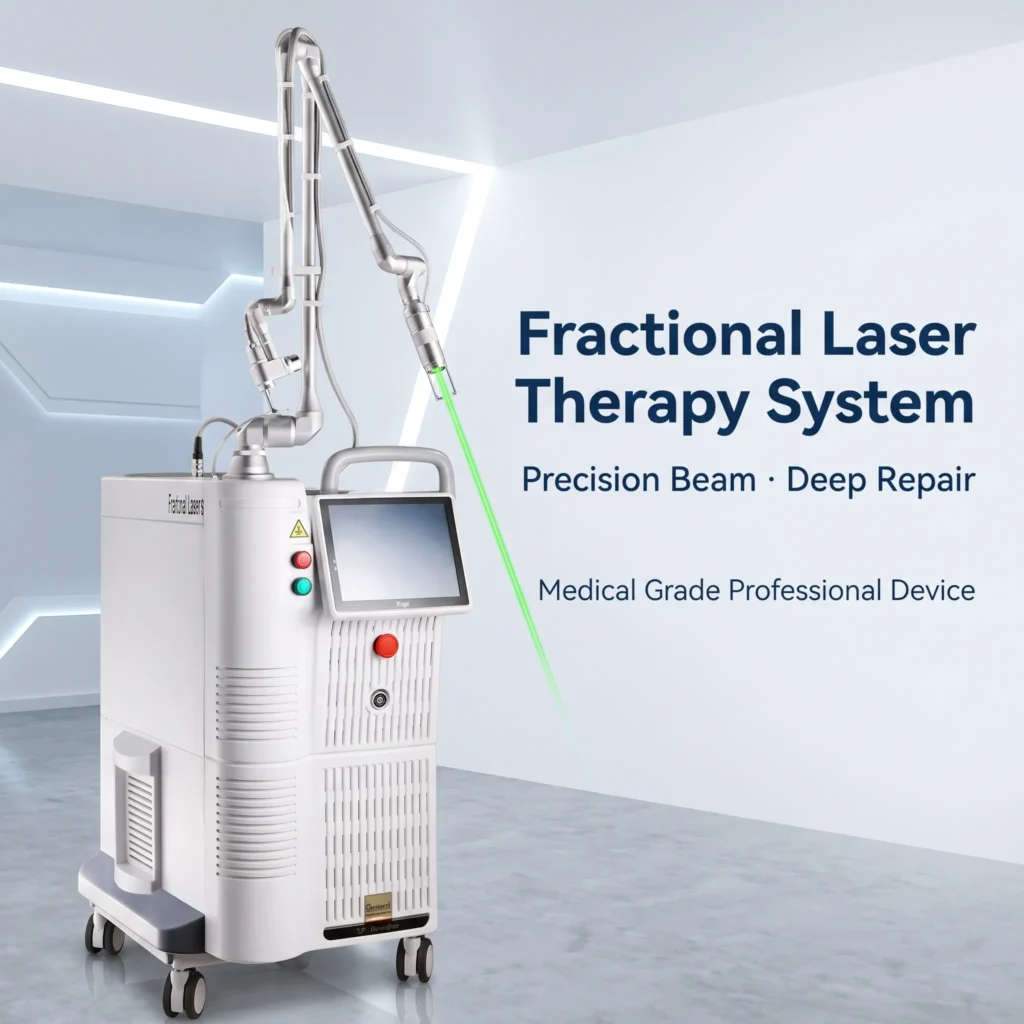
Recommended devices for skin resurfacing
COMMON TREATMENT GOALS
Resurfacing-focused applications
Subject to professional assessment, device indications and selected parameters, fractional platforms may support the following appearance-related concerns.
01
Uneven Texture
Refining the visible appearance of rough or irregular skin texture.
02
Fine Lines
Address the visible appearance of fine lines and wrinkles.
03
Sun-Damaged
Address visible tone and texture changes linked to sun damage.
04
Visible Pores
Refine skin texture and the appearance of enlarged pores.
HOW IT WORKS
Controlled fractional delivery
Rather than treating the entire surface continuously, fractional delivery creates an array of microscopic treatment zones. Untreated tissue remains between these zones, supporting a controlled treatment pattern.
- Adjustable energy and treatment density
- Configurable scanning area and pattern
- Wavelength-specific tissue interaction
- Application-dependent treatment protocols
PLATFORM SELECTION
CO₂ or 1927nm thulium?
Both technologies can use fractional delivery, but their wavelengths support different treatment depths and resurfacing priorities. Final selection should be based on the device’s intended use, configuration and professional assessment.
10,600 NM
Fractional CO₂
Generally selected for ablative fractional resurfacing and deeper tissue interaction.
- Texture and visible wrinkles
- Selected atrophic acne scars
- Resurfacing-focused protocols
- Typically greater downtime, depending on settings
1927 NM
Fractional Thulium
Generally considered for superficial resurfacing and more moderate treatment profiles.
- Superficial tone and texture concerns
- Selected pigmentation-focused workflows
- Visible signs of photoaging
- Typically shorter downtime, depending on settings
TREATMENT CONSIDERATIONS
What professionals should evaluate
Skin Assessment
Treatment goals, skin condition, history and suitability should be professionally assessed before selecting a protocol.
System Parameters
Energy, density, pulse settings, scanning area and delivery mode influence treatment intensity and coverage.
Expected Downtime
Recovery profile varies by wavelength, treatment depth, selected settings and individual response.
FREQUENTLY ASKED QUESTIONS
Skin resurfacing FAQ
What is fractional skin resurfacing?
It is a laser delivery approach that creates microscopic treatment zones while leaving surrounding tissue untreated. Treatment depth and profile vary by wavelength, system and selected parameters.
Which wavelength is used for skin resurfacing?
Fractional CO₂ at 10,600 nm is commonly associated with ablative resurfacing. Fractional 1927nm thulium is generally used for more superficial treatment profiles. Selection depends on the intended application and device configuration.
Can fractional resurfacing support acne scar treatment?
Selected fractional systems may be used in professional protocols for certain atrophic acne scars. Suitability and treatment settings require assessment by a qualified professional.
How much downtime is associated with fractional resurfacing?
Downtime varies with wavelength, treatment intensity, coverage, individual response and aftercare. More intensive ablative settings generally involve a longer recovery profile.
What parameters can be adjusted on a fractional laser system?
Depending on the system, adjustable parameters may include energy, pulse settings, density, scanning area and treatment pattern. Available controls should be confirmed for the specific model.
Find the right resurfacing platform
Tell us about your target applications, preferred treatment profile and market requirements.