PROFESSIONAL AESTHETIC LASER SYSTEMS
Fractional Laser
Acne Scar Treatment
Fractional CO₂ and 1927nm thulium platforms for professional resurfacing applications.
Explore how fractional laser platforms support controlled resurfacing and individualized protocols for selected atrophic acne scars in clinics and medical aesthetic practices.
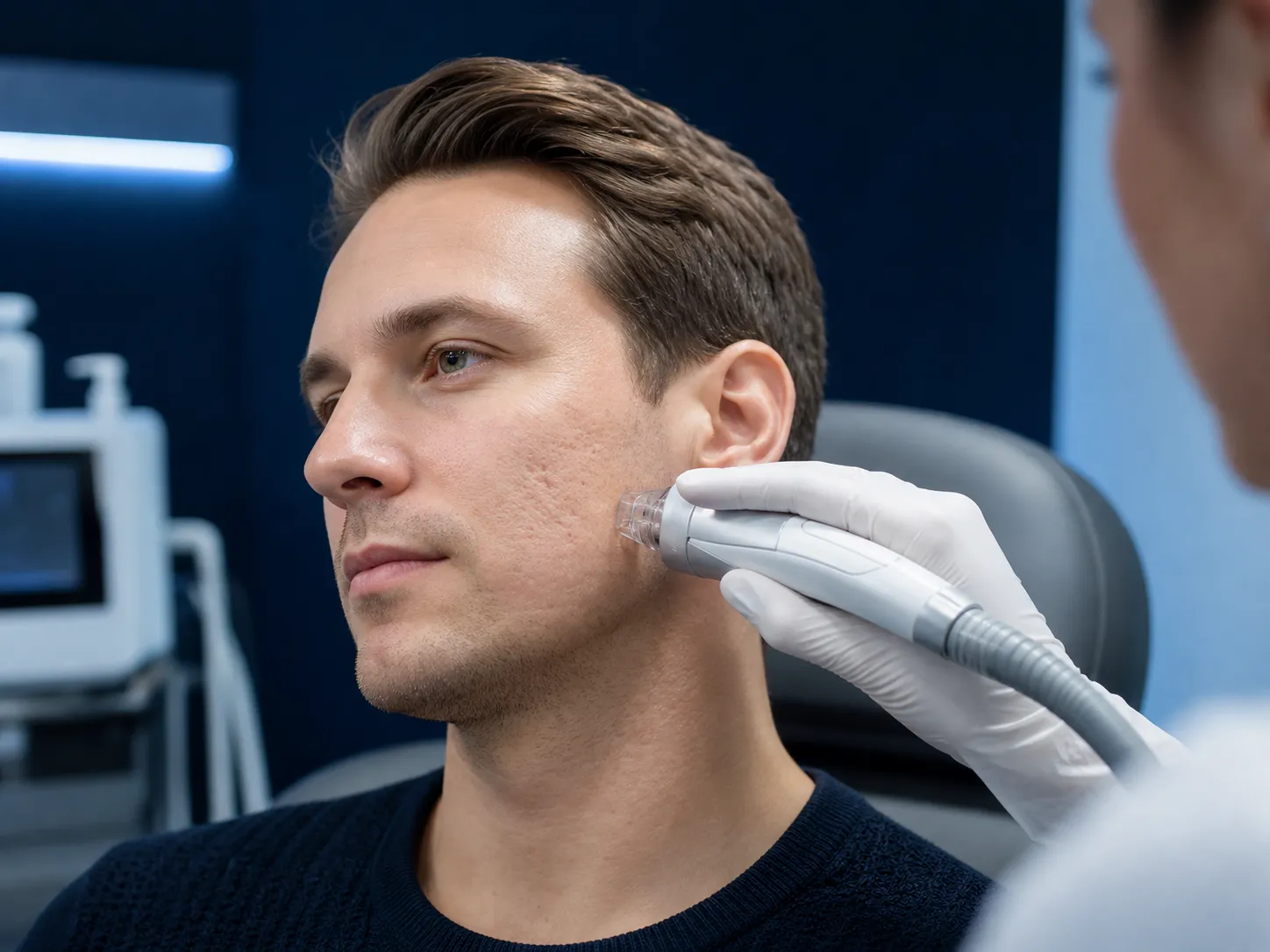
CLINICAL OVERVIEW
Controlled resurfacing for selected acne scars
Fractional laser treatment delivers energy in microscopic treatment zones separated by surrounding untreated tissue. This approach supports controlled resurfacing and tissue-remodeling workflows.
Treatment planning depends on scar type, skin characteristics, wavelength, device indications, selected parameters and practitioner assessment. No single modality is suitable for every acne scar.
01 · Fractional Delivery
Controlled coverage with intervening tissue left untreated.
02 · Tissue Remodeling
Controlled thermal effects may support gradual remodeling in selected atrophic scars.
03 · Flexible Protocols
Energy, density, pulse and pattern depend on device capability and clinical judgment.
04 · Professional Use
Patient selection, parameter choice and aftercare require appropriately trained professionals.
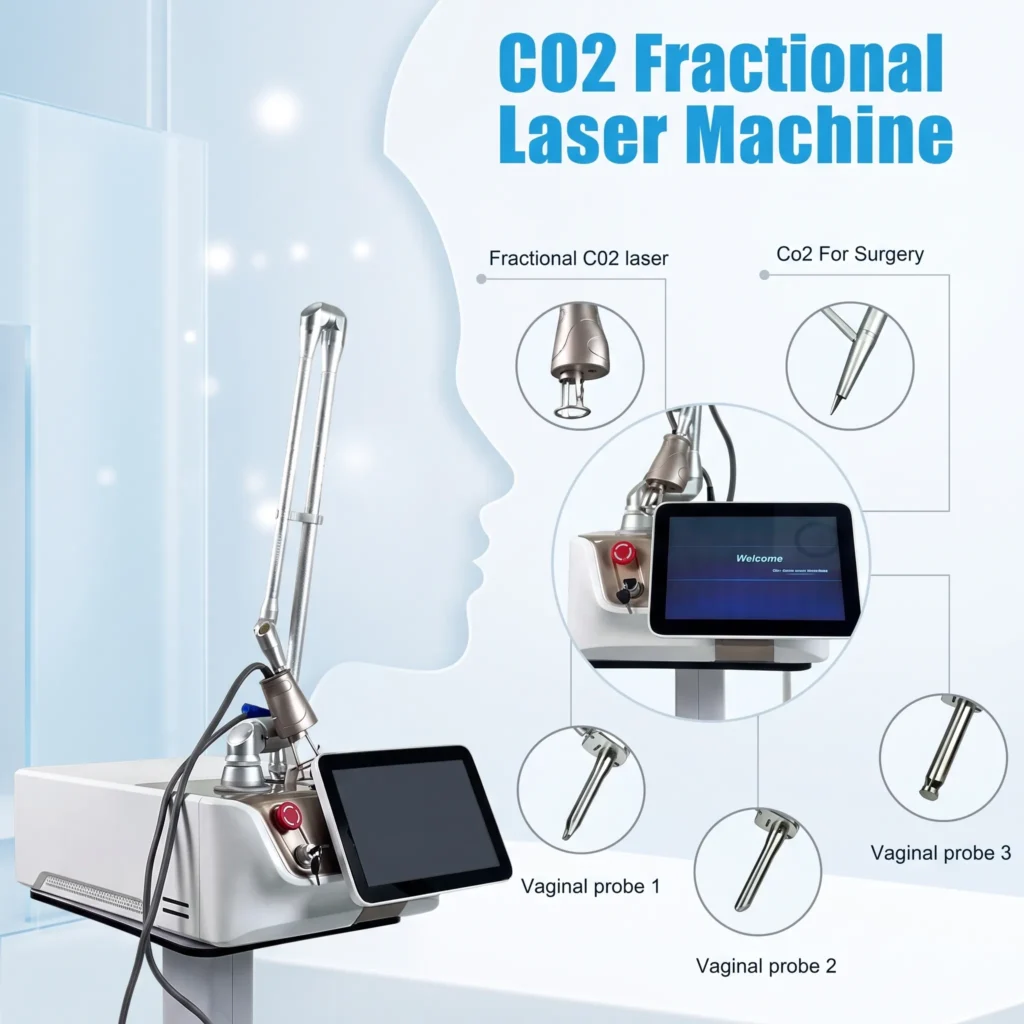
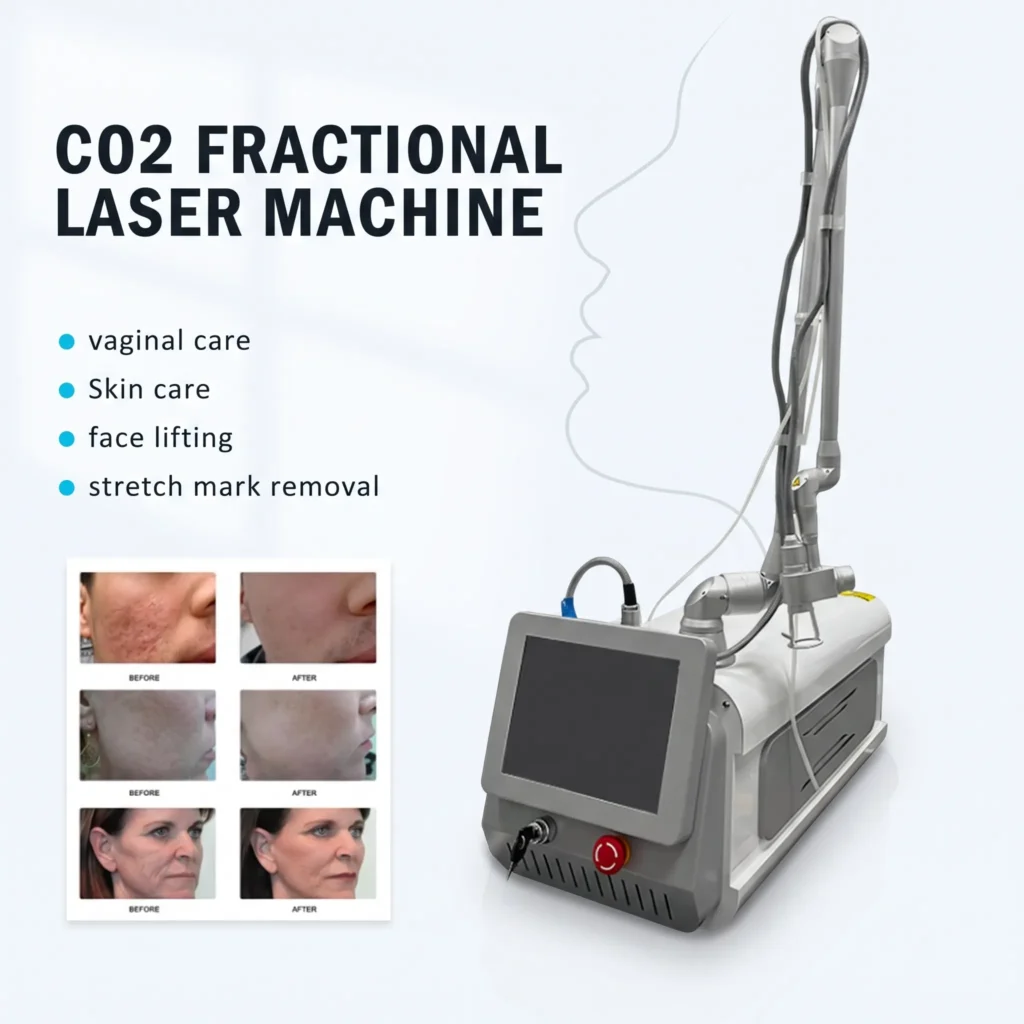
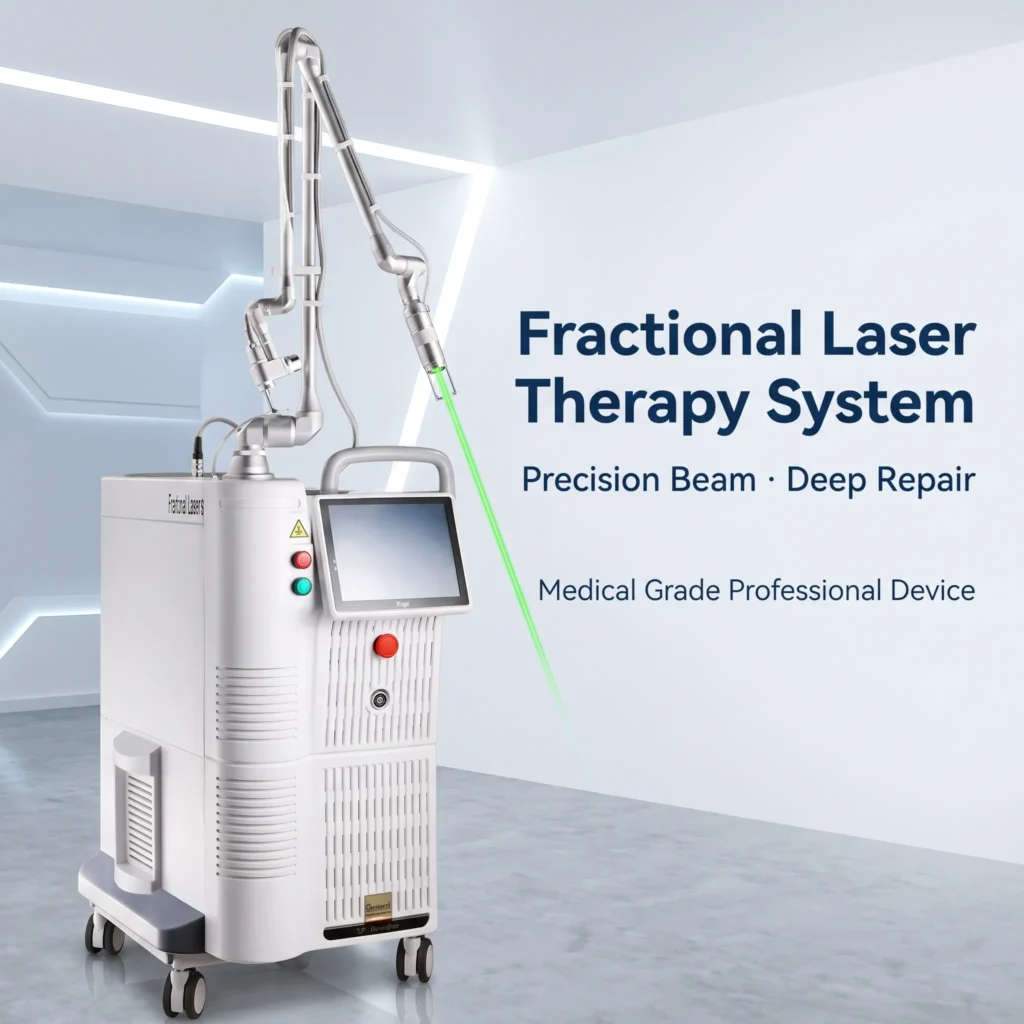
Recommended devices for acne scar workflows
CLINICAL VALUE
Why clinics consider fractional technology
A configurable platform can support individualized resurfacing protocols based on treatment goals, skin characteristics and acceptable recovery time.
BENEFIT 01
Texture Refinement
Supports controlled resurfacing for uneven texture and selected atrophic scars.
BENEFIT 02
Protocol Flexibility
Adjustable parameters allow trained practitioners to tailor coverage and intensity.
BENEFIT 03
Technology Choice
CO₂ and 1927nm platforms support different treatment objectives and profiles.
ACNE SCAR TYPES
Different scars require different strategies
Scar depth, shape and tethering influence treatment selection. Fractional resurfacing may be considered alone or as part of a professionally assessed combination approach.
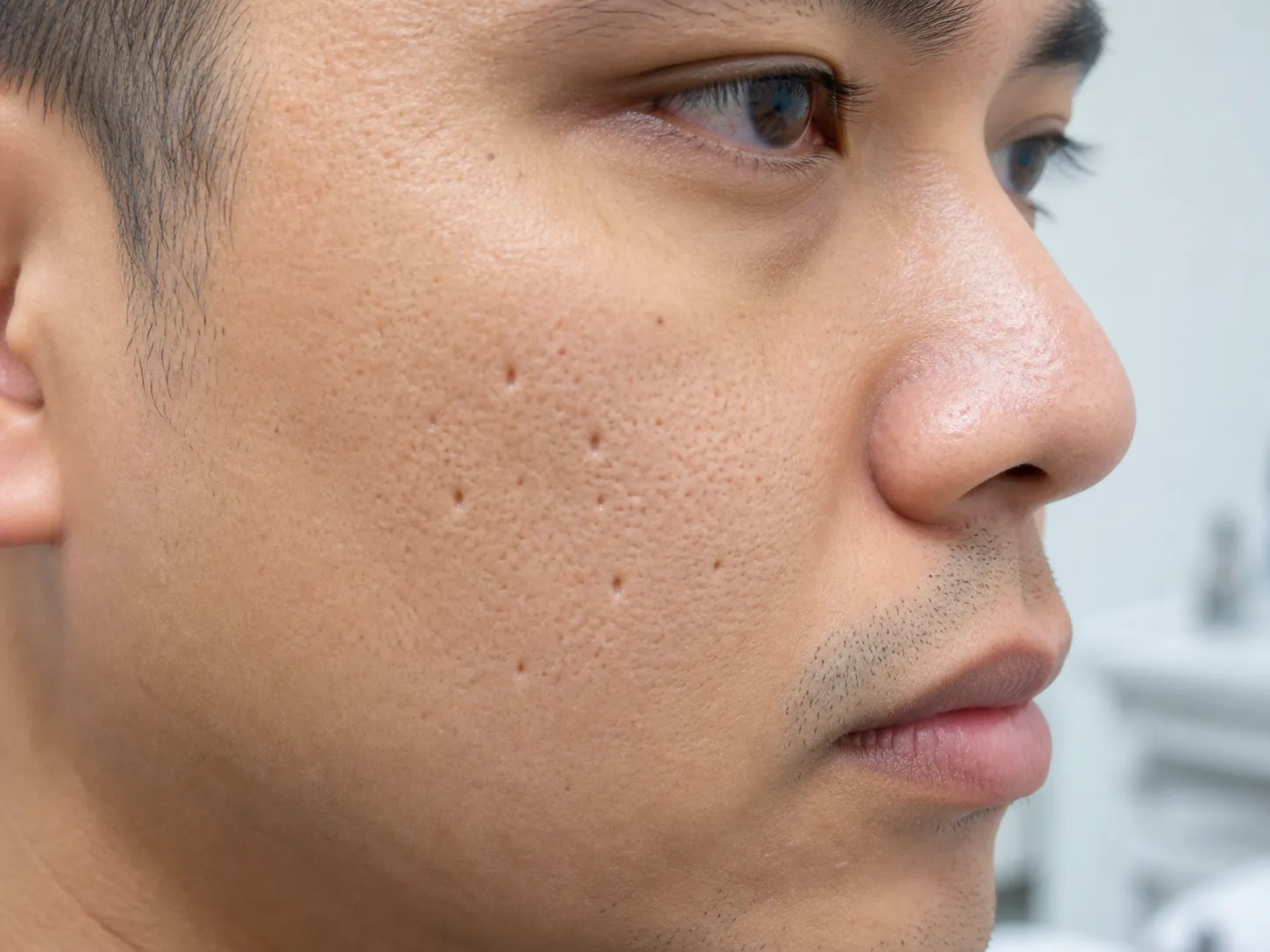
Ice Pick
Narrow, deeper scars that may require targeted or combination approaches.
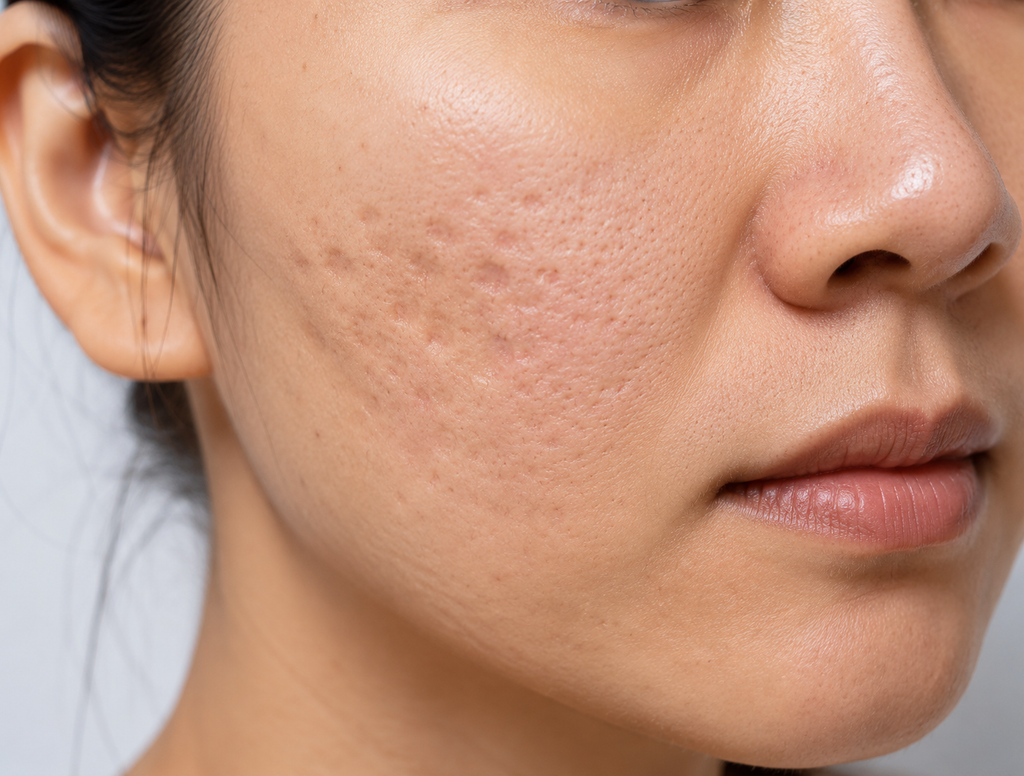
Boxcar
Broad depressions with defined edges that may suit resurfacing protocols.
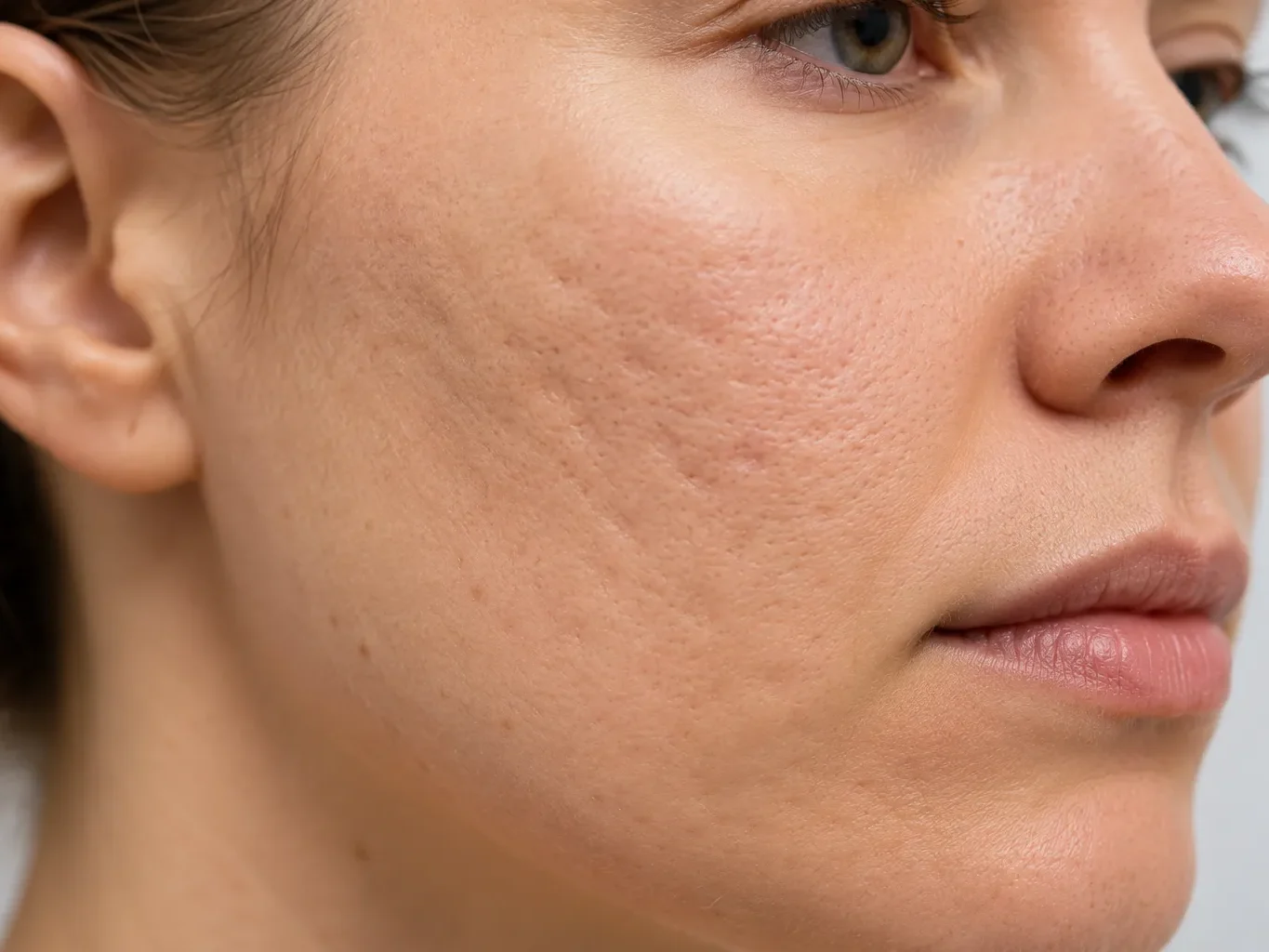
Rolling
Wavy depressions associated with dermal tethering and uneven texture.
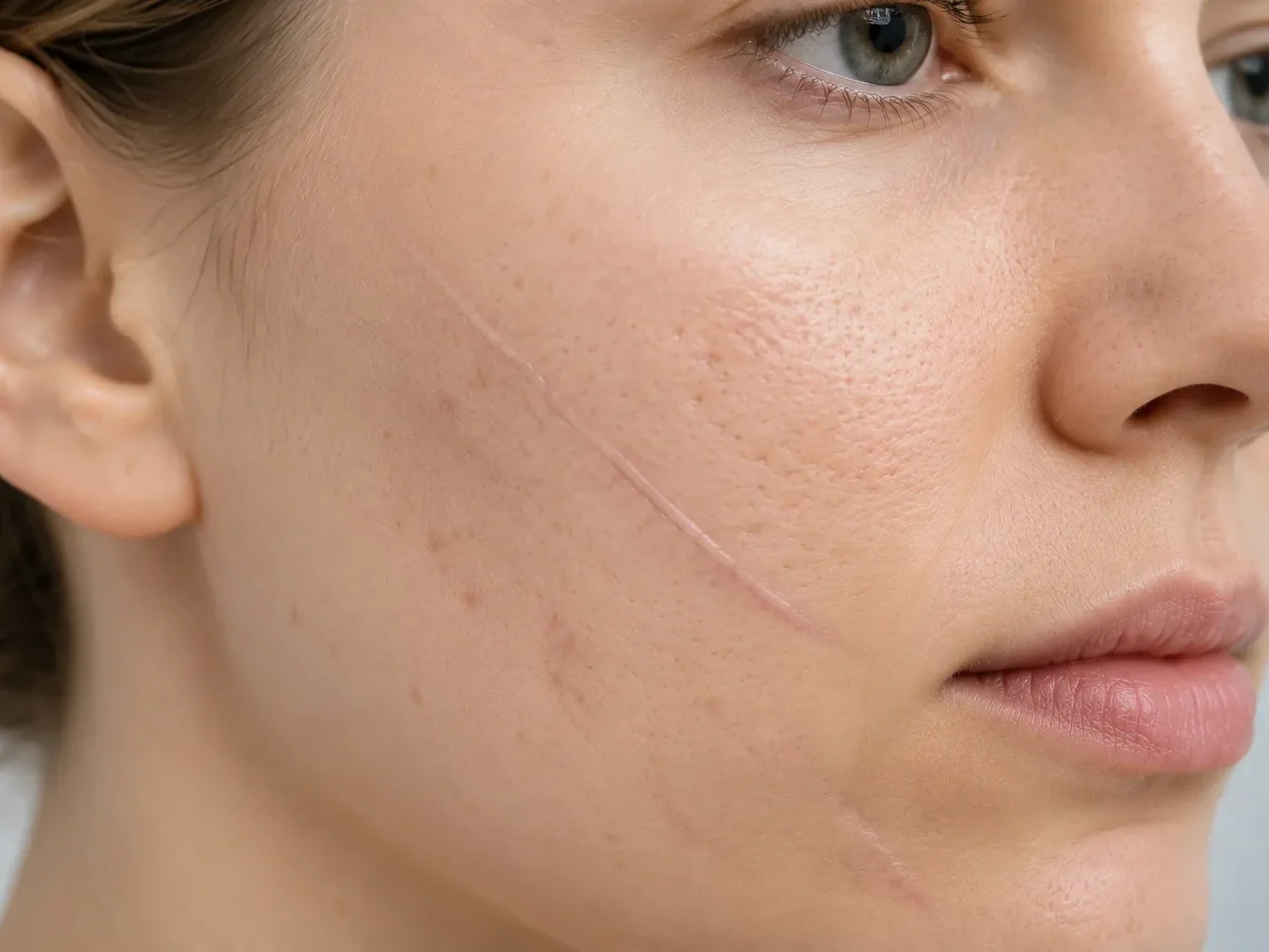
Other Scars
Selected surgical or traumatic scars may require individualized assessment and treatment planning.
TECHNOLOGY OPTIONS
Two wavelengths. Different clinical roles.
Fractional describes the delivery pattern. CO₂ and thulium describe different laser technologies that may be configured for fractional applications.
10,600 NM
Fractional CO₂
Generally considered for deeper ablative resurfacing and more intensive treatment profiles.
- Texture and wrinkle concerns
- Selected atrophic acne scars
- Deeper resurfacing workflows
- Generally longer downtime
1927 NM
Fractional Thulium
Generally considered for superficial resurfacing and more moderate treatment profiles.
- Tone and texture concerns
- Selected pigmentation concerns
- Superficial resurfacing workflows
- Generally shorter downtime
TREATMENT COMPARISON
Fractional laser and other acne scar options
Different modalities address different components of acne scarring and may be combined after professional assessment.
| Feature | Fractional Laser | Microneedling | Chemical Peels | Fillers |
|---|---|---|---|---|
| Primary mechanism | Fractional thermal effect and remodeling | Controlled mechanical injury | Chemical exfoliation | Volume restoration |
| Clinical focus | Texture and selected atrophic scars | Mild-to-moderate texture concerns | Primarily superficial texture | Selected volume-related defects |
| Treatment depth | Depends on wavelength and parameters | Depends on needle depth | Depends on peel depth | Technique-dependent placement |
| Recovery | Varies by density and intensity | Typically limited | Varies by peel depth | Usually limited |
| Important note | Requires laser-specific training | May require multiple sessions | Patient selection is essential | Temporary or product-dependent |
FREQUENTLY ASKED QUESTIONS
Questions clinics ask before choosing a system
General educational information only. Device indications and permitted uses vary by model and market.
Is CO₂ laser the same as fractional laser?
No. Fractional describes the delivery pattern, while CO₂ describes the laser medium and 10,600 nm wavelength. A fractional CO₂ system combines both concepts.
What is fractional CO₂ commonly used for?
Fractional CO₂ systems are commonly considered for resurfacing, texture irregularities and selected atrophic scar applications, subject to the device’s intended use.
Is 1927nm thulium suitable for acne scars?
It may be considered in selected superficial texture protocols. Its clinical role differs from deeper fractional CO₂ resurfacing and depends on the target and device configuration.
How many sessions are required?
There is no universal number. Planning depends on scar type, skin characteristics, device settings, clinical protocol and individual response.
Can fractional laser treat every acne scar?
No single technology is optimal for every scar. Ice-pick scars, tethered rolling scars and deeper defects may require targeted or combination approaches.
What should clinics review before purchasing?
Review wavelength, scanner capability, parameter controls, handpieces, safety features, training, maintenance, documentation and service support.
Find the right fractional laser system for your clinic
Compare CO₂ and 1927nm platforms based on your applications, market requirements and equipment needs.